
Exploring the cultural significance of gambling across diverse societies
The Historical Roots of Gambling
Gambling has a rich history that spans thousands of years and crosses numerous cultures. Archaeological evidence suggests that early forms of gambling existed in ancient China around 2300 BC, where rudimentary dice were discovered. These early games often served as both entertainment and a means of divination, reflecting the spiritual beliefs of the time. In ancient Rome, betting on gladiatorial games not only entertained the masses but also fostered a sense of community and camaraderie among spectators. If you’re curious about modern takes on this age-old practice, you might try Chicken Road today as a fun way to experience the thrill of gambling.
Similarly, in ancient Egypt, tomb murals depict scenes of gambling, indicating its significance in social rituals and afterlife beliefs. The pharaohs and elite engaged in games that involved skill and chance, contributing to the understanding of luck as a divine factor. These historical contexts illustrate that gambling was not merely a pastime but played a crucial role in social hierarchies and cultural practices.
The evolution of gambling continued through the Middle Ages, where card games emerged in Europe, becoming symbols of both nobility and vice. With the establishment of casinos in the 17th century, gambling took on a more organized form, influencing social norms and economic development. This historical trajectory sets the stage for understanding how gambling transcends mere entertainment, embedding itself deeply within cultural fabric.
Cultural Variations in Gambling Practices
Diverse societies exhibit unique gambling practices shaped by local traditions and beliefs. In Japan, pachinko parlors combine elements of gambling with arcade-style gaming, reflecting the country’s blend of modernity and tradition. Pachinko parlors are vibrant social spaces where people gather not just to win money but to enjoy the communal experience. This illustrates how gambling can serve as a cultural event, reinforcing social bonds within the community.
In contrast, Indigenous cultures in North America have long utilized gambling as a method of cultural expression and community bonding. Traditional games, often played during festivals, serve as a way to preserve history and strengthen communal ties. The stakes may not always be monetary; they often involve prestige, ceremonial roles, or land. This practice underscores the multifaceted nature of gambling, where the act itself can symbolize much more than financial gain.
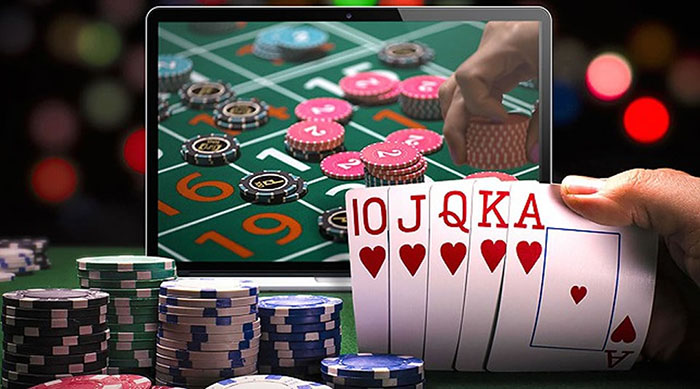
Meanwhile, in many Western societies, gambling has transitioned into a mainstream entertainment industry, complete with online platforms and sports betting. Yet, even within these contexts, societal attitudes toward gambling can vary widely. Some view it as a harmless pastime, while others see it as a vice that leads to addiction and social problems. This complexity illustrates how cultural values shape perceptions and practices surrounding gambling.
The Role of Gambling in Economic Development
The economic implications of gambling extend beyond the mere revenue generated by casinos and gaming establishments. In numerous regions, especially where traditional industries have declined, the gambling sector has become a vital source of employment and tax revenue. For example, cities like Las Vegas thrive on the tourist influx brought by gambling, significantly contributing to local economies through jobs, hospitality, and related services.
However, the economic benefits come with caveats. Communities often grapple with the social costs associated with gambling, such as addiction and crime. Programs aimed at mitigating these negative impacts are essential to ensure that the economic advantages do not come at the expense of public health. Many governments are beginning to recognize this balance, incorporating social responsibility into their gambling regulations.
Moreover, the rise of online gambling has opened new economic avenues, transcending geographical limitations. Countries that embrace this digital transformation can harness the global market, attracting players from around the world. This evolution reflects broader economic trends and highlights the dynamic nature of gambling as it adapts to technological advancements, reshaping cultural contexts and social interactions.
The Psychological and Social Aspects of Gambling
The psychological appeal of gambling is deeply rooted in its capacity to evoke excitement and anticipation. The thrill of winning against the odds can serve as an escape from daily life, providing a rush that many individuals seek. This phenomenon is not merely about the monetary reward; it’s about the emotional experience that gambling offers. As such, understanding the psychological facets of gambling is crucial for both players and policymakers.
Additionally, gambling often functions as a social activity that fosters interaction among individuals. Many people enjoy visiting casinos or participating in games with friends, creating a shared experience that can enhance social connections. However, this communal aspect can also lead to negative consequences, such as peer pressure and collective gambling behaviors that contribute to addiction.
Ultimately, the dual nature of gambling—its ability to unite people while also posing risks—raises important questions about responsibility and support. Community initiatives that focus on education and resources for those affected by gambling addiction are crucial in fostering a healthier relationship with this cultural practice. This awareness allows societies to harness the benefits of gambling while mitigating its potential harms.
Understanding Gambling Today and Its Future Implications
The gambling landscape has undergone significant transformation in recent years, driven by technological advancements and shifting cultural attitudes. Online gaming has exploded in popularity, creating new opportunities for engagement and participation. The convenience of accessing games from home has also led to increased concerns regarding addiction and responsible gambling practices.
Moreover, cultural perceptions of gambling are evolving, particularly among younger generations who view it as a form of entertainment rather than a risky activity. This generational shift impacts everything from marketing strategies to regulatory frameworks, necessitating a nuanced approach to gambling that considers diverse viewpoints. Stakeholders, including governments and gaming companies, are increasingly focused on promoting responsible gaming initiatives.
As societies continue to navigate the complexities of gambling, the importance of cultural significance cannot be overstated. Understanding the historical roots, economic implications, and social dynamics surrounding gambling will be essential for creating a balanced approach that respects both tradition and modernity. Such awareness can shape policies that protect individuals while allowing cultural expressions to flourish.

Conclusion: The Role of Gambling in Our Lives
In summary, gambling plays a multifaceted role across diverse societies, deeply intertwined with cultural, social, and economic fabrics. While it offers opportunities for entertainment and community building, it also presents challenges that need careful consideration. From its ancient origins to its modern incarnations, gambling continues to shape and reflect societal values.
Recognizing the cultural significance of gambling allows us to appreciate its complexities and the diverse ways it impacts lives. By fostering open conversations about gambling, its benefits, and its risks, societies can better navigate the intricacies of this age-old practice. This balanced perspective is crucial for promoting a healthy relationship with gambling in our increasingly connected world.